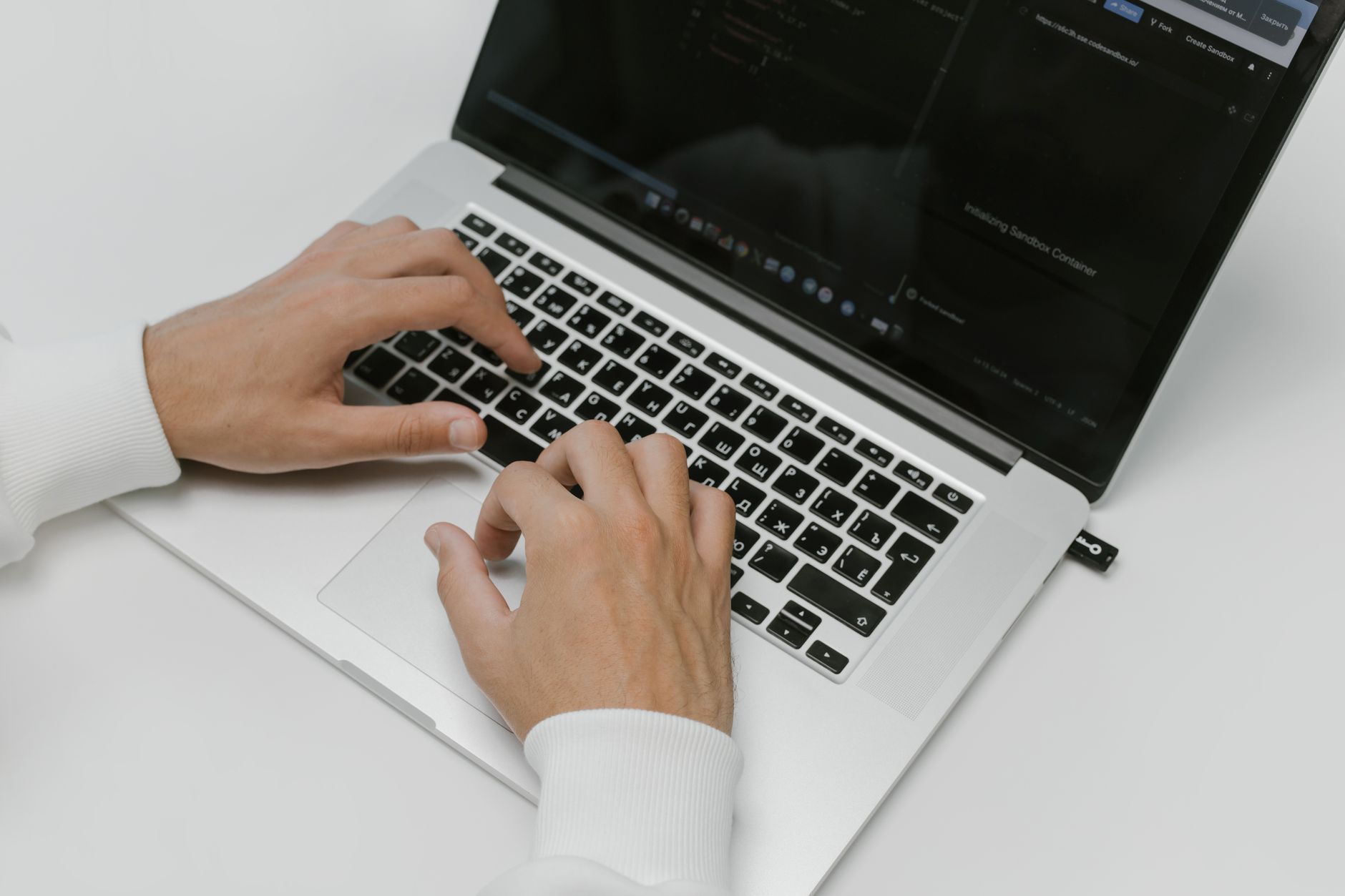
Best Password Safety for Seniors: Create and Remember Strong Passwords

Best Password Safety for Seniors: Create and Remember Strong Passwords

Quick Answer: Strong passwords are long, unique, and easy to remember when you use a four-word passphrase. Store them in a trusted password manager like Apple Passwords or Google Chrome Password Manager. Turn on two-factor authentication for email and banking. Never share a verification code, and never click password reset links in unexpected emails. Passwords protect your money, photos, health records, and private messages. Many seniors worry that strong means random and impossible to remember. That is not true. You can make strong passwords that are easy to recall. This guide shows you how, step by step, in plain English. Before you start, review how to spot a tech support scam so you know the tricks thieves use to steal passwords. A little prevention saves a lot of heartache. ...
August 23, 2026 · 13 min · Jarrod Gravison
Best Ways to Block Scam Calls on iPhone and Android

Best Ways to Block Scam Calls on iPhone and Android

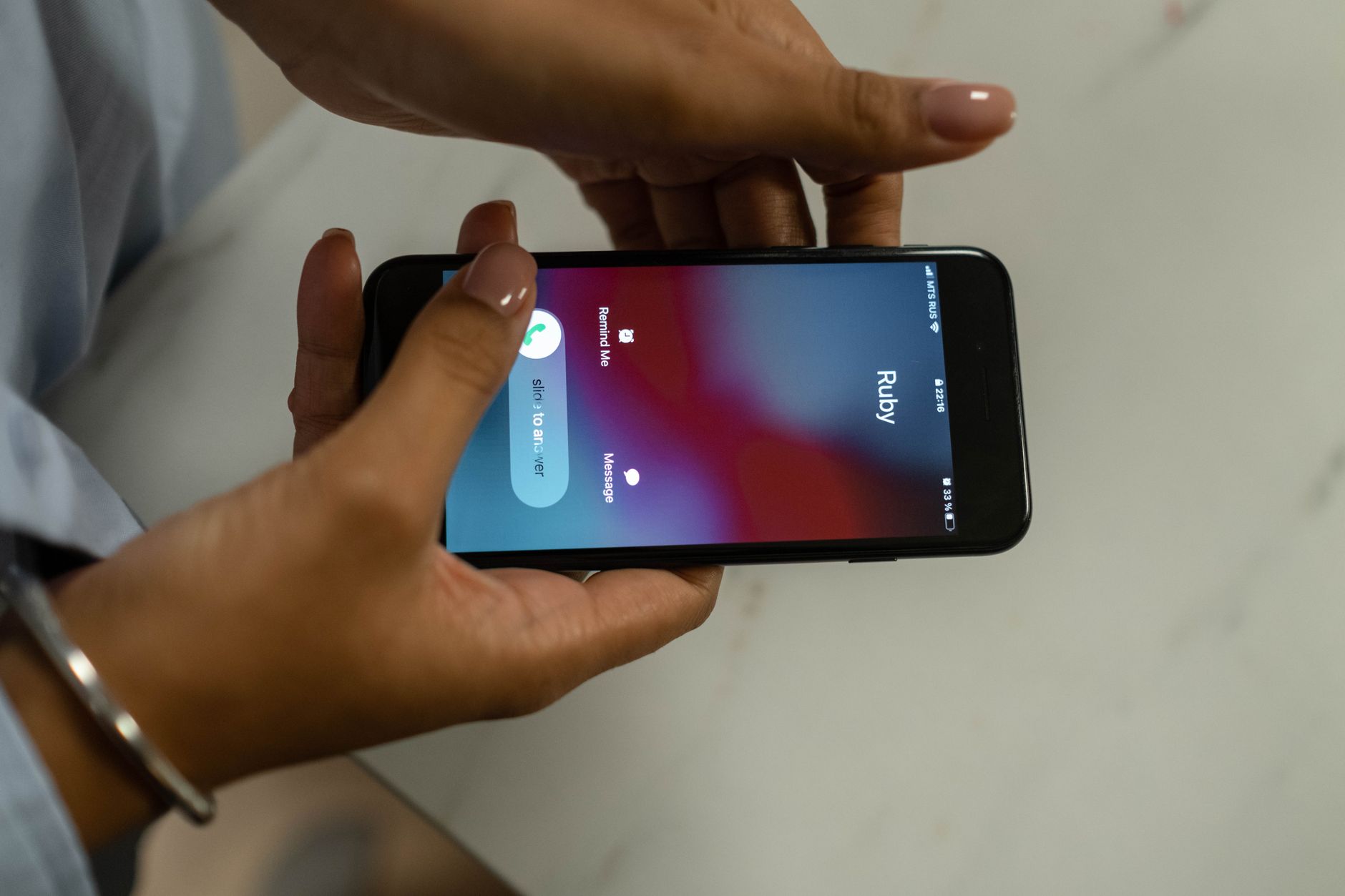
Quick Answer: Block scam calls by enabling Silence Unknown Callers on iPhone or Caller ID & spam on Android. Add your carrier's free spam filter and one trusted app like Hiya. Block suspicious numbers and report them to the FTC. These steps cut most scam calls. Scam calls are worse than ever. Your phone rings, and the number looks local. The caller says your bank account is frozen. Or your Social Security number is suspended. These are lies. Scammers use fear to steal money and personal details. According to Pew Research Center, 61% of adults aged 65 and older own a smartphone. That makes older adults a big target for phone scams. You are not alone if you want the calls to stop. You also have more control than you think. ...

August 23, 2026 · 14 min · Jarrod Gravison
How to Avoid Phishing Emails: What to Look For

How to Avoid Phishing Emails: What to Look For

Quick Answer: Phishing emails trick you into giving away personal information or money. Look for odd sender addresses, urgent language, spelling mistakes, and links that go to fake websites. Never click links or open attachments in suspicious emails. Instead, report the email as phishing and delete it. Use two-factor authentication for extra protection. Phishing emails are fake messages that try to steal your personal information. They may look like they come from your bank, a delivery company, or a friend. The goal is to get you to click a link, open an attachment, or send money. Many of these emails look very real at first glance. Seniors are often targeted because scammers think they are less familiar with online safety. But you can learn to spot these tricks. This guide will show you exactly what to look for. You can also review how to spot a tech support scam for similar warning signs. ...

August 23, 2026 · 13 min · Jarrod Gravison
Best Ways to Spot a Tech Support Scam Before You Pay

Best Ways to Spot a Tech Support Scam Before You Pay

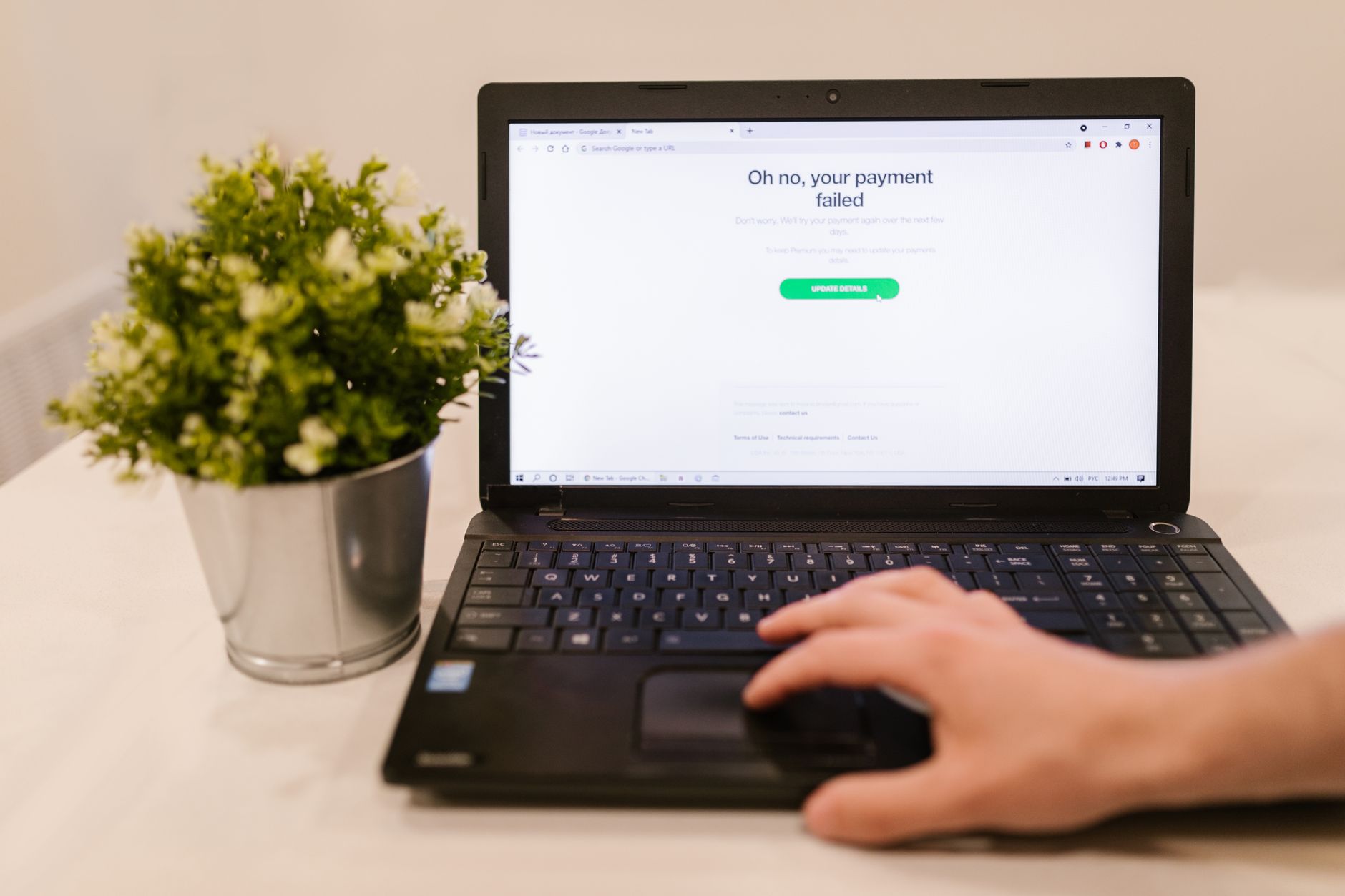
Quick Answer: Tech support scams use urgent calls, pop-ups, or emails that claim your device is infected. Real companies do not call you unexpectedly or ask for remote access or gift cards. Hang up, close the page, and never share passwords or payment details. Tech support scams try to convince you that your computer, phone, or tablet has a serious problem. A caller may claim to be from Microsoft, Apple, or your internet provider. A pop-up may shout that your device is infected. The goal is always the same: get your money or personal information. Learning to spot the tricks is the best defense. You can also learn how to avoid phishing emails before they reach you. ...

August 23, 2026 · 11 min · Jarrod Gravison